
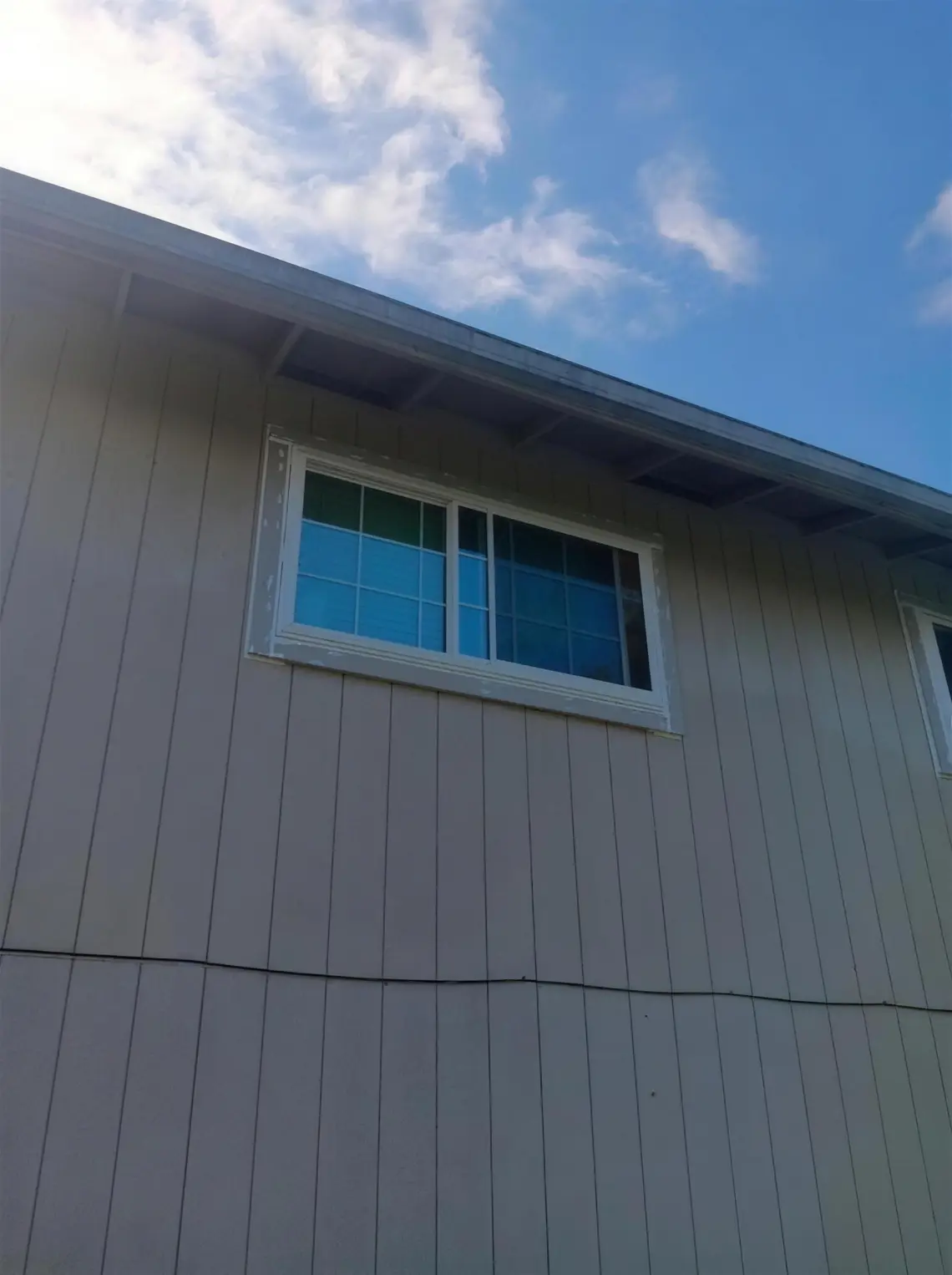
Short answer: for a standard-size Washington window, vinyl is the workhorse — durable, moisture-proof, and the lower-cost choice, and it’s what Clearview installs on most jobs. Fiberglass costs more but moves less with temperature and holds its shape better across a wide span, which is why it’s worth the upcharge on large sliders, big picture windows, or darker exterior colors. Neither one rots or rusts in this climate; the real decision is about frame stiffness and thermal movement, not moisture resistance.
Why the Pacific Northwest climate matters
This region does not have extreme heat or cold. It has nine wet months, three dry ones, and steady swings in temperature that are moderate next to a desert or continental climate but constant. That matters less for whether a frame material survives here (both do) and more for how it moves and how it’s finished. A material that expands and contracts a lot with every swing stresses its seals over years of that cycling. Whether a material holds paint matters more where people repaint their trim. Vinyl and fiberglass answer those questions differently.
Thermal movement: the real technical difference
This is the main technical difference between the two. Vinyl (PVC) has a significantly higher coefficient of thermal expansion than fiberglass — published comparisons put vinyl’s expansion rate at roughly three to eight times fiberglass’s, depending on the specific formulations compared. Fiberglass expands and contracts at a rate much closer to glass itself, which is a large part of why a fiberglass frame keeps a tighter, more consistent seal against the glass unit over decades of temperature swings.
For a standard-size window, that difference is close to academic — the frame is short enough that the total movement is small regardless of material. It gets real on wide spans: a large slider or picture window has more linear frame to expand and contract, so the material with less movement holds its shape and seal better across the width. That is the engineering reason fiberglass is recommended for big openings.
Moisture and rot
Neither material rots. Vinyl is a solid plastic — water doesn’t soak into it or feed decay the way it does in wood. Fiberglass is a glass-fiber-reinforced resin — same story, no organic material for moisture to break down. Both are a real upgrade over wood-frame windows, where a wet sill eventually means soft wood.
In a wet climate, failures with either material usually come from bad flashing or a failed glass seal letting water into the wall behind the frame, not from the frame itself. That is an installation problem, not a vinyl-versus-fiberglass one. See why Washington windows fog for the glass-seal side of that, and what each opening needs for a compromised opening.
Stiffness and size
Fiberglass is a stiffer material than vinyl at a given wall thickness, which is the other half of why it suits wider spans — less sag and flex under its own weight and wind load, in addition to less thermal movement. Vinyl frames handle standard window and door sizes fine; manufacturers set maximum sizes for each vinyl profile, and going past them can mean a sash that visibly flexes or a window that is harder to seal. Fiberglass has more headroom before that becomes a concern.
Color and finish
Vinyl’s exterior color is part of the material. White, tan, and a few standard darker colors are common, but repainting a vinyl frame later is not a reliable long-term fix because the surface is not built to hold paint. Fiberglass takes paint well, which is part of why it’s the more common choice when a homeowner wants a specific dark color, a color match to trim, or the option to repaint down the road without replacing the window.
Dark vinyl in direct sun also runs hotter than a light color, and heat combined with a higher expansion rate adds to the movement issue above. That is another reason dark colors and fiberglass often go together, especially on south- and west-facing walls.
Cost
Fiberglass costs more — plan on roughly 30 to 40% more than a comparable vinyl unit installed, reflecting the frame’s manufacturing cost, not a markup for the name. On a standard-size opening where the durability difference barely shows up, that premium is hard to justify on function alone. On a wide slider, a large picture window, or a run of matching dark-colored windows across a street-facing elevation, it buys real, measurable stability. See what a Washington project costs for how material choice fits into a full quote.
How to decide
- Standard-size window, light or standard color, typical budget: vinyl does the job and costs less. It’s the default for a reason.
- Wide slider or picture window, especially over roughly 6 feet in a single span: fiberglass’s stiffness and lower thermal movement earn their cost.
- You want a dark exterior color, or want the option to repaint later: fiberglass takes finish better.
- Budget is the deciding factor and the openings are unremarkable sizes: vinyl is the right choice.
Neither material fails in Washington’s climate; both handle the wet-dry cycling over a normal service life. The choice comes down to movement, stiffness, and finish on your specific openings, which is what a measure is for.
Common questions
Does fiberglass rot or rust like wood or metal?
No. Fiberglass is a glass-reinforced resin — it doesn't absorb water the way wood does or corrode the way steel and older aluminum frames do. It can still trap moisture behind bad flashing like any frame material; the frame itself just isn't the thing failing.
Is vinyl a bad choice in a wet climate?
No. Vinyl doesn't rot, rust, or need paint, and it's held up fine in the Pacific Northwest for decades on standard-size openings. The tradeoffs are about frame stiffness and thermal movement on larger units, not moisture resistance.
Can vinyl windows be painted to change color later?
Not well. Vinyl's surface isn't built to hold paint long-term the way fiberglass or wood can, so the color you order is close to the color you keep. Fiberglass takes paint if you want to change the exterior color down the road.
Why does frame size matter so much to this choice?
A wider slider or picture window has more unsupported span. Vinyl flexes more under wind load and thermal movement across that span; fiberglass's stiffness and lower expansion rate keep it flatter and the seal tighter. On a small standard window, that difference rarely matters.
Does fiberglass actually cost that much more?
Yes, meaningfully — expect roughly 30-40% more than a comparable vinyl unit installed. It's worth confirming on the specific opening rather than assuming it across the whole house.
Which one insulates better?
Frame material has a smaller effect on whole-window performance than the glass package does. Both vinyl and fiberglass frames, built well with a good Low-E glass unit, land in a similar U-factor range — the frame choice is mostly about movement, stiffness, and cost, not a big jump in energy performance.